



How Often Should You Rotate Car Tires?
Do you want to know how frequently you will need rotating your tires? Getting proactive about your vehicle’s wellbeing and security is excellent, this is what most of us should be aware of. Rotation of tires is significant to keeping up the tires’ exhibition abilities and, the best part is that it’s saving you some money.
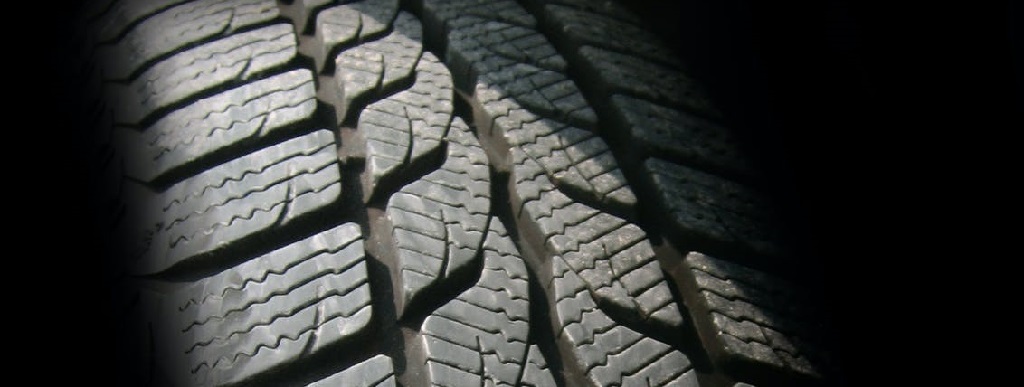
A vehicle’s tire is under a consistent condition to degrade, and in that capacity, you want to keep up an even wear. Weight, forceful driving, lopsided streets, and climate all play a factor into a tire getting degraded. This can’t be stopped; however, it tends to be overseen by rotating your tires from one corner of your vehicle to the next. It enables to even the wear out and keep a strong path of contact between the tire and the pavement, enabling a better grip.
Car owners should rotate their tires depending on the given guidelines found in the vehicle’s guidance and owner’s manual, or those that accompanied the tires themselves.
What is meant by tire rotation?
Rotating a tire demonstrates eliminating one wheel and trading it for another of your vehicle’s wheels. When you rotate your tires, they are moved in a specific example, contingent upon the kind of vehicle and sort of tires. To put it plainly, you are rotating the tires around the vehicle, yet not all around.
The most effective method to Rotate Tires:
When the workspace is prepared, it’s an ideal opportunity to get to the activity, yet it’s essential to comprehend that not all tires and vehicles are the equivalent. Tires can be part of directional and non-directional, and each sort of vehicle requires different rotational examples.
Here are the ways of rotating tires:
- You need to use a dead blow hammer. Particularly with aluminum, the wheels like to stall out on the cap of the rotor. It can occur because of consumption after some time or at times only how the wheel sits on the center point, yet it won’t fall off without a decent bit of power.
You need a dead blow hammer instead of a standard hammer or sledgehammer because you need to hit the wheel itself and prefer not to twist or break the metal.
- Be sure to utilize a force-torque and fix the fasteners to the producer force and in the correct star design. Don’t simply fix until you can’t any longer. At the point when you over force them, you stretch the strings on the studs and debilitate them, making them bound to break. Three out of four wheel-offs are brought about by over twisted fasteners as far as we can tell.
- Buy a string measure and check your tires for sporadic track wear. If the track is lopsided, it is an indication of an absence of turn or ill-advised arrangement.
- While the wheels are off, review your brake rotors, brake lines, brake cushions, and suspension parts.
- Don’t be the person who comes in for a review, and the wheels are installed back to front.
Connect with us